

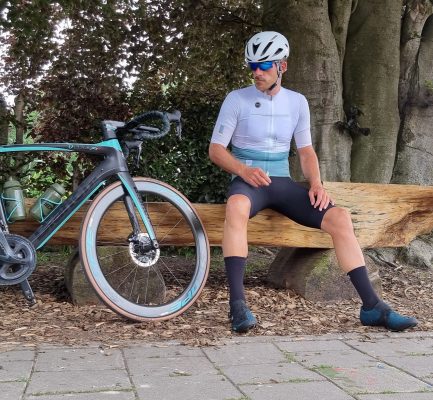
Imagine the thrill of conquering the steep inclines of the Ballon d’Alsace in the French Vosges during a 10 K everesting, the relentless challenge of the bicinglé de Ventoux (6 times the Mont Ventoux in one ride) and the breathtaking beauty of the Tour du Mont Blanc cyclo (320+ km and 8000+ elevation gain). Now, picture accomplishing all these cycling feats while managing a condition like psoriatic arthritis. That’s my journey… a journey that requires not just physical strength but an indomitable spirit. It was a hard journey but so far it was worth it and I hope I can inspire all of you to keep on dreaming big and to believe in those dreams! You can do it!
Understanding Psoriatic Arthritis and my Enbrel-Nepexto lifeline
Psoriatic arthritis is an inflammatory condition that combines the skin symptoms of psoriasis with the joint issues of arthritis. It can cause swollen, painful joints and skin rashes and can be quite debilitating. For many, finding the right treatment is a long and arduous process. It took me two years of trial and error, enduring the side effects of multiple anti-inflammatories, to finally discover a medication that could keep the inflammation at bay without causing stomach pain.
Enbrel, a biologic medication, became my lifeline. It works by inhibiting the tumor necrosis factor (TNF), a substance in the body that causes inflammation in the joints and skin. Later, I transitioned to Nepexto, a biosimilar to Enbrel, which offers the same active substances at a more affordable cost. These medications require a weekly self-injection, a small price to pay for the freedom they afford.

Why I chose cycling having psoriatic arthritis?
Cycling stands out as a beacon of hope for individuals grappling with psoriatic arthritis. Unlike high-impact sports such as running or soccer, which can exacerbate joint pain and inflammation, cycling offers a gentle embrace for the joints, providing a low-impact exercise alternative that maintains joint integrity while still bestowing the myriad benefits of cardiovascular exercise. The rhythmic motion of pedaling not only aids in lubricating the joints, thereby reducing pain and stiffness, but also fortifies the muscles surrounding the joints, offering them greater support and reducing the risk of injury.
Moreover, cycling can be tailored to individual needs and limitations, allowing for adjustments in intensity and resistance. This customization ensures that people with psoriatic arthritis can engage in physical activity without overburdening their joints, which is crucial for managing the condition effectively. The versatility of cycling, whether stationary or outdoor, means that it can be practiced in a variety of settings, catering to personal preferences and environmental conditions.

The benefits of cycling extend beyond joint health. Regular engagement in this sport can lead to improved cardiovascular fitness, weight control and muscle strengthening. These advantages collectively contribute to a better quality of life and can help mitigate some of the comorbidities associated with psoriatic arthritis, such as cardiovascular disease and obesity. The psychological benefits are equally noteworthy; cycling has been shown to alleviate stress, enhance sleep quality, boost energy levels, and improve overall mood.
In essence, cycling is not just an exercise; for me it is a holistic approach to managing psoriatic arthritis. It empowers myself to take control of my health, offering a path to wellness that aligns with my body’s needs. It’s a testament to the power of adaptive physical activity and its role in fostering resilience and vitality when living with chronic conditions. So, for those navigating the challenges of psoriatic arthritis, cycling isn’t just a sport—it’s a lifeline to a more active, healthier, and happier life.
The Role of a healthy Diet and Exercise
Diet plays a crucial role in managing inflammation. Incorporating anti-inflammatory foods like berries, fatty fish, and leafy greens can make a significant difference. Regular exercise is equally important. It builds muscle, improves balance, and enhances overall well-being, making each ride smoother and each challenge more surmountable.
If you want to know more about the positive effect of inflammatory food on psoriatic arthritis as a whole and my cycling performance specifically, read my blog article about inflammatory food.

Embrace the cycling challenge with psoriatic arthritis
Yes, there are days when the pain seems insurmountable, when the road ahead is shrouded in mist. But it’s on those days that the true strength of character is forged. With the right medication, diet, and training, the impossible becomes possible. We can dream big, even with psoriatic arthritis.
Living with psoriatic arthritis doesn’t mean giving up on your dreams. It means adapting and finding new ways to achieve them. For me, it meant embracing the virtual world of Zwift for training and completing ultra challenges like everesting. It’s about listening to your body, recognizing its limits, and gently pushing beyond them.
A Call to Action
To my fellow cyclists and dreamers living with psoriatic arthritis, know that you are not alone. If you have questions or need more information about managing psoriatic arthritis while pursuing sports like cycing, feel free to reach out. Together, we can keep pedaling towards our dreams, no matter what challenges lie ahead.
Remember, it’s not about the destination; it’s about the journey. And on this journey, every hill climbed, every mile conquered and every challenge faced is a victory in itself. Keep riding, keep dreaming and keep pushing forward, because the view from the top is worth every pedal stroke. I still remember the joy when I completed my first 100 kilometers.
For more information or if you have questions about doing sports like cycling with psoriatic arthritis, please contact me. Let’s share our stories and support each other in our quests for health and happiness on and off the bike. Together, we ride stronger.
